Impact Report for the
1st Ancestral Knowledge Sharing Gathering: 2024
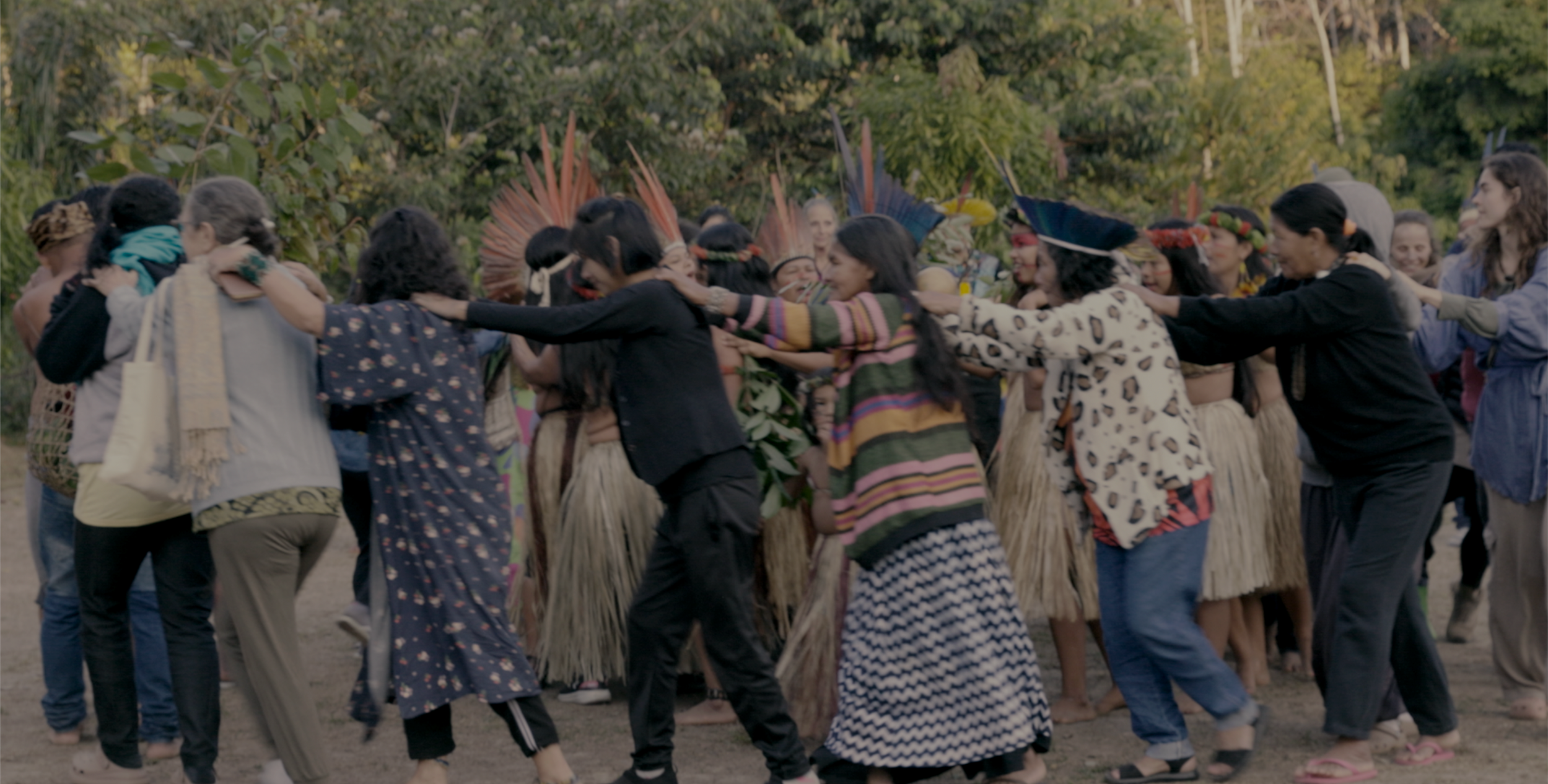
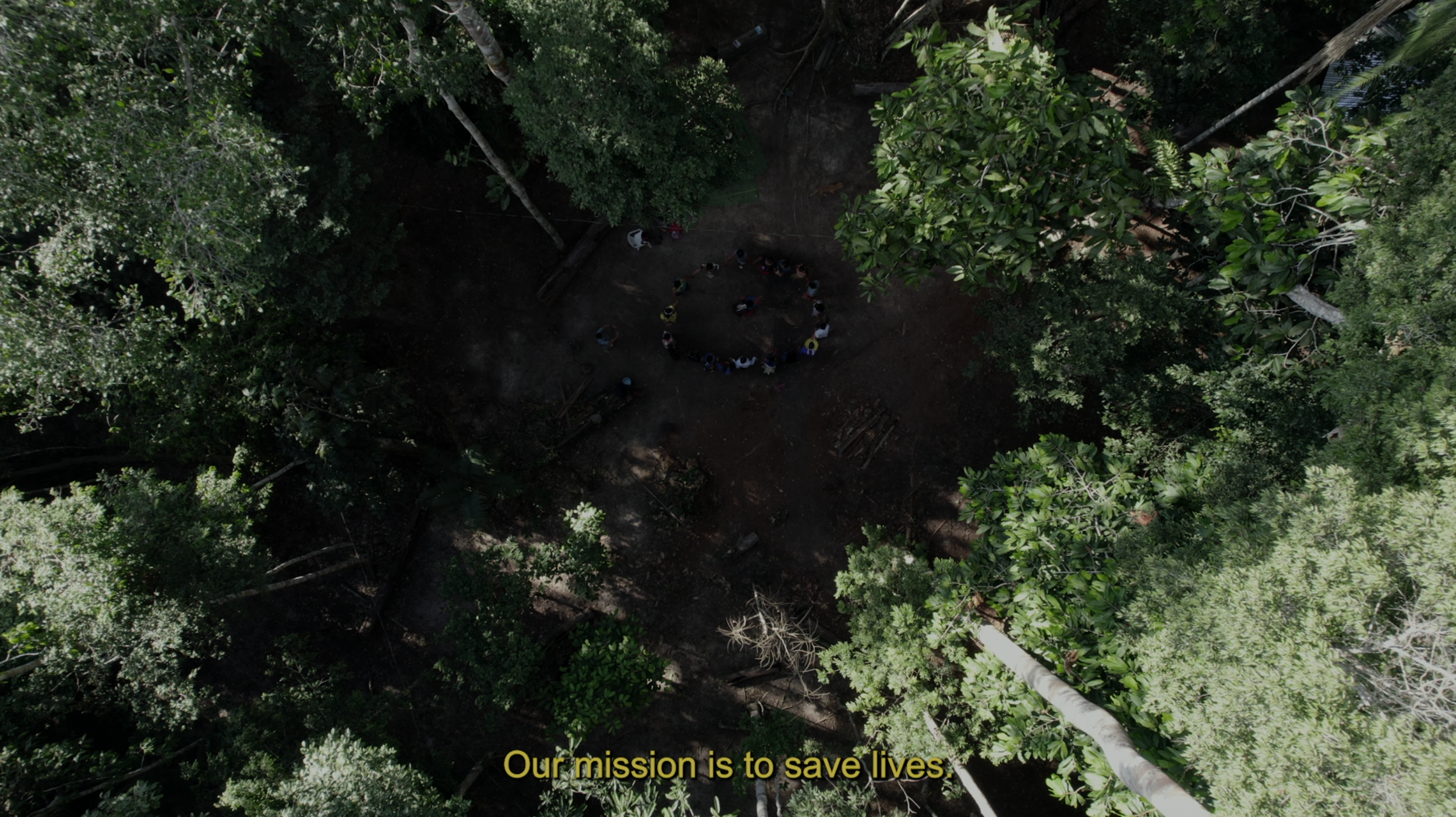
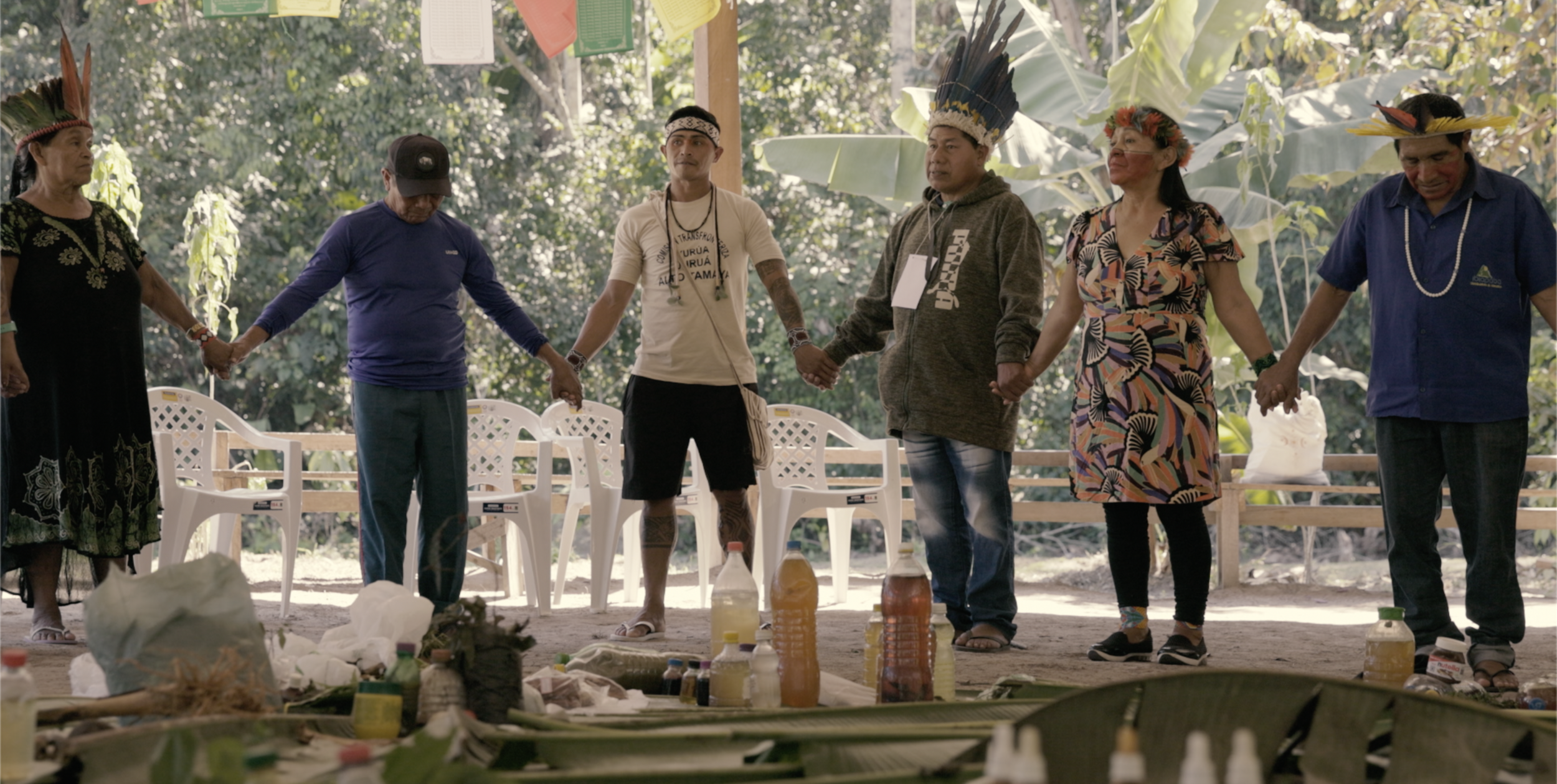
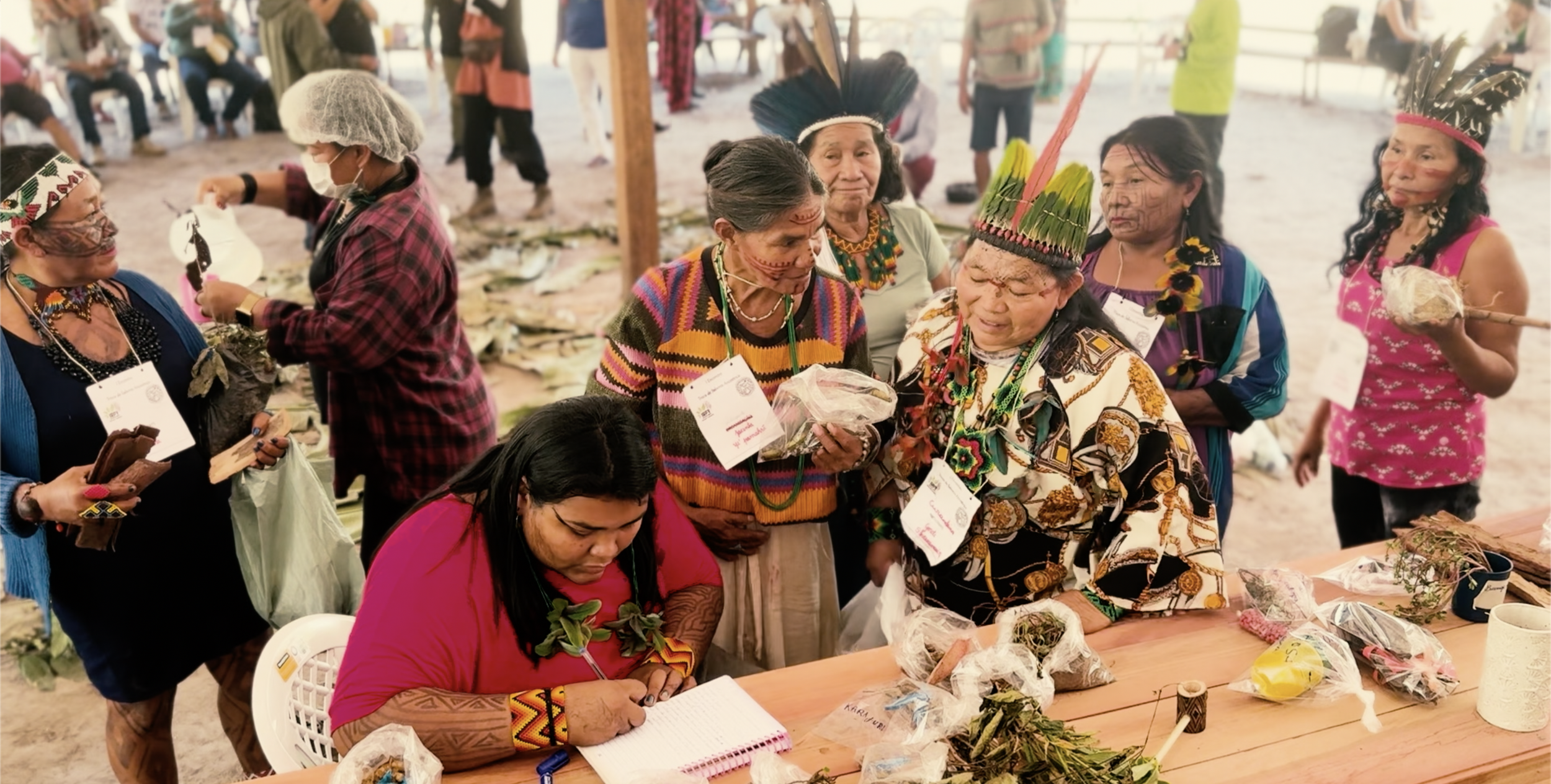
In July 2024, we held the 1st Troca de Saberes Ancestrais Gathering, an event that brought together benzedeiras (traditional blessing healers), curandeiras (healers), midwives and pajés (shamans) from various Indigenous peoples of the Amazon and other regions of Brazil. More than an exchange of knowledge, the gathering was a moment of cultural, spiritual and medicinal celebration and strengthening.
Every story shared and every piece of ancestral knowledge revealed reinforced our commitment to preserving and valuing our biocultural heritage.
Our Impact

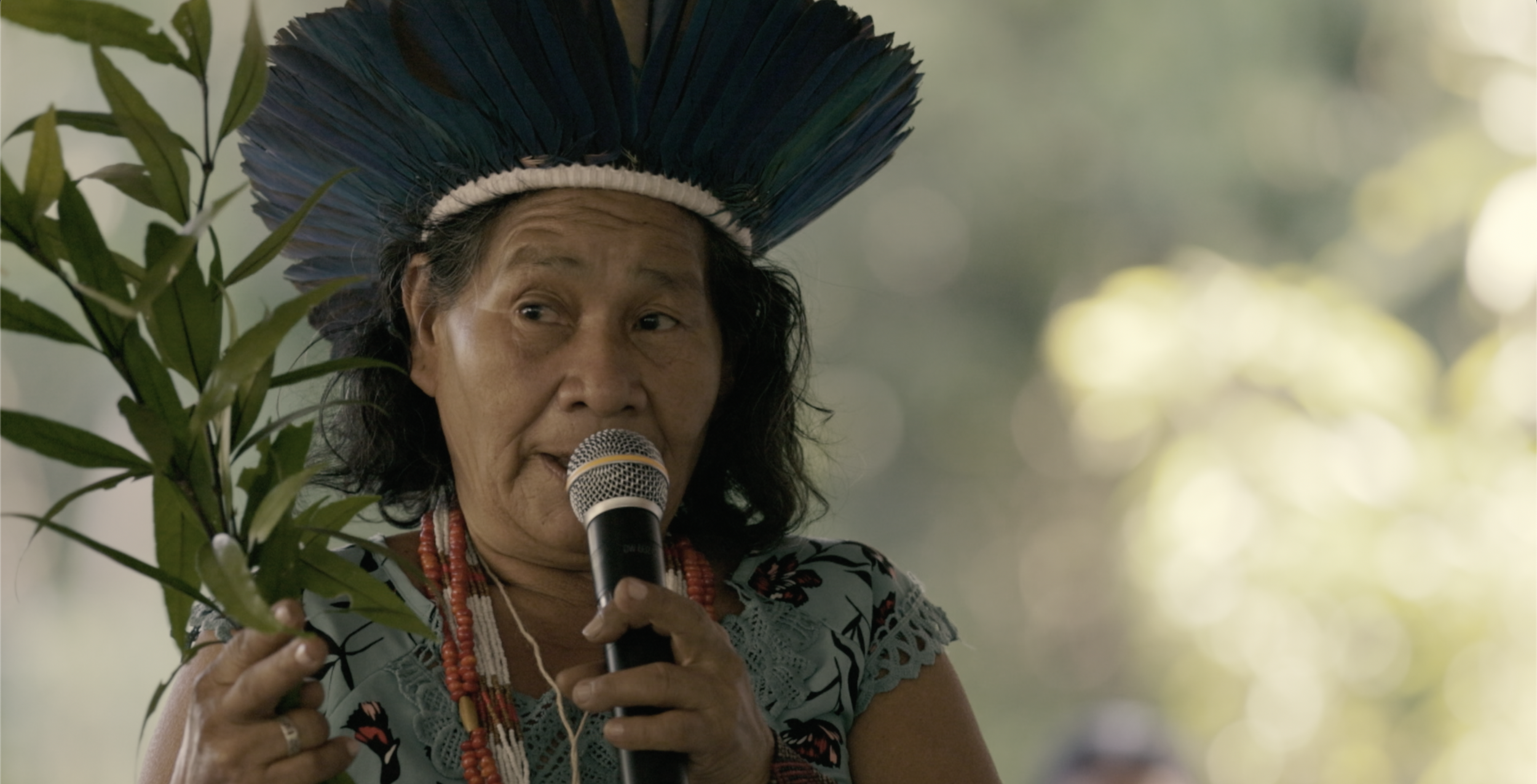
The exchange of knowledge among participants led to the reinforcement of traditional healing practices through a collective learning process aimed at promoting health and well-being within Indigenous communities. The dissemination of these practices, now better documented and recognized, contributes to the continuity of these traditions and for the well-being of non-Indigenous communities that could benefit from them.
Strengthening of Traditional Medicinal Practices
01
The establishment of this network is one of the meeting's greatest legacies. It will facilitate ongoing communication among Indigenous peoples, ensuring that knowledge is shared securely and that new collaborations, including future meetings, are developed. This network has been a tool for collective mobilization in defence of Indigenous rights and the protection of traditional knowledge.
Creation of the National Indigenous Knowledge Sharing Network
02
Enhancing Women’s Leadership in Biocultural Conservation and Policy Advocacy
03
The meeting laid a strong foundation for promoting women’s leadership in biocultural conservation. Key outcomes include plans to organize future workshops, highlight women-led initiatives in traditional medicine and cultural preservation, support collaborative documentation of ancestral practices, establish networks of Indigenous women leaders, and advocate for the recognition of their knowledge in national and international conservation policies. These steps aim to strengthen women’s roles as decision-makers and stewards of biocultural conservation, ensuring their contributions are central to future initiatives.
04
The gathering strengthened awareness among elders and young people of the importance of safeguarding Indigenous medicines and relational knowledge as living systems inseparable from territories, ancestors, and more-than-human beings. Participants deepened their understanding of the risks posed by unauthorised research, documentation, appropriation, and commercialisation—not only to Indigenous knowledge, but also to the rights, agency, and integrity of the beings through whom this knowledge is generated and transmitted. They left the gathering more conscious of their roles as guardians of these relationships and better prepared to defend their knowledge, medicines, territories, traditions, and more-than-human relatives.
Awareness-Raising and Intergenerational Responsibility
During the discussions, the importance of a harmonious relationship with nature, which is central to traditional healing practices, was emphasized. Awareness of the need to protect Indigenous territories, which are vital sources of natural and medicinal resources, and to prioritize the recovery of various Amazonian species were reinforced, aligning with broader national and international strategies of environmental preservation and biocultural conservation.
Development of Environmental Preservation Strategies
05
Influence on Public Policy and Ancestral Rights
06
The gathering included representatives from the Ministry of the Environment, and its discussions highlighted the need for public policies that recognise and value Indigenous medicines as living systems of care and relational knowledge.
Priorities included the respectful recognition of these practices within the public health system; formal recognition of the roles of shamans, midwives, healers, and other traditional specialists; and legal mechanisms to prevent biopiracy, protect Indigenous knowledge, and ensure fair and equitable benefit-sharing.
The gathering also drew attention to the urgent need to recognise and establish rights and protections for ancestral and more-than-human beings. Existing legal frameworks frequently treat plants, animals, fungi, medicines, and other beings merely as resources or property, disregarding their agency, spiritual significance, and relationships with Indigenous peoples.
Participants therefore called for Indigenous-led legal and policy frameworks that recognise these beings as subjects of rights and protect the living relationships through which medicines, healing, and knowledge are sustained.
Troca de Saberes is actively raising funds for the following initiatives, which were born from the 1st Ancestral Knowledge Sharing Gathering, and the development of which aims to support and strengthen its mission.
Troca de Saberes needs your help in the development of these initiatives.
Donate now to fund these initiatives or find out in what ways you can support.
The App & Book of Indigenous Medicines
A central element is the creation of a mobile app that allows Indigenous peoples to register their medicines in their own languages. This not only protects traditional knowledge but also revitalizes languages at risk of extinction.
By combining ancestral wisdom, technology and participatory governance, Troca de Saberes introduces a living model of biocultural innovation — ensuring that Indigenous knowledge systems are protected, valued and connected to contemporary science and policy.
2. Audiovisual Archive
“The Future of Earth: Interviews with Elders”
Troca de Saberes emerged from the devastating loss of Indigenous elders during the COVID-19 pandemic. Their deaths represented not only the loss of deeply loved people, but also the disappearance of languages, memories, healing practices, chants, ceremonies, and relationships with ancestral and more-than-human beings. Each elder who passes away without being able to transmit their knowledge carries with them an irreplaceable living archive.
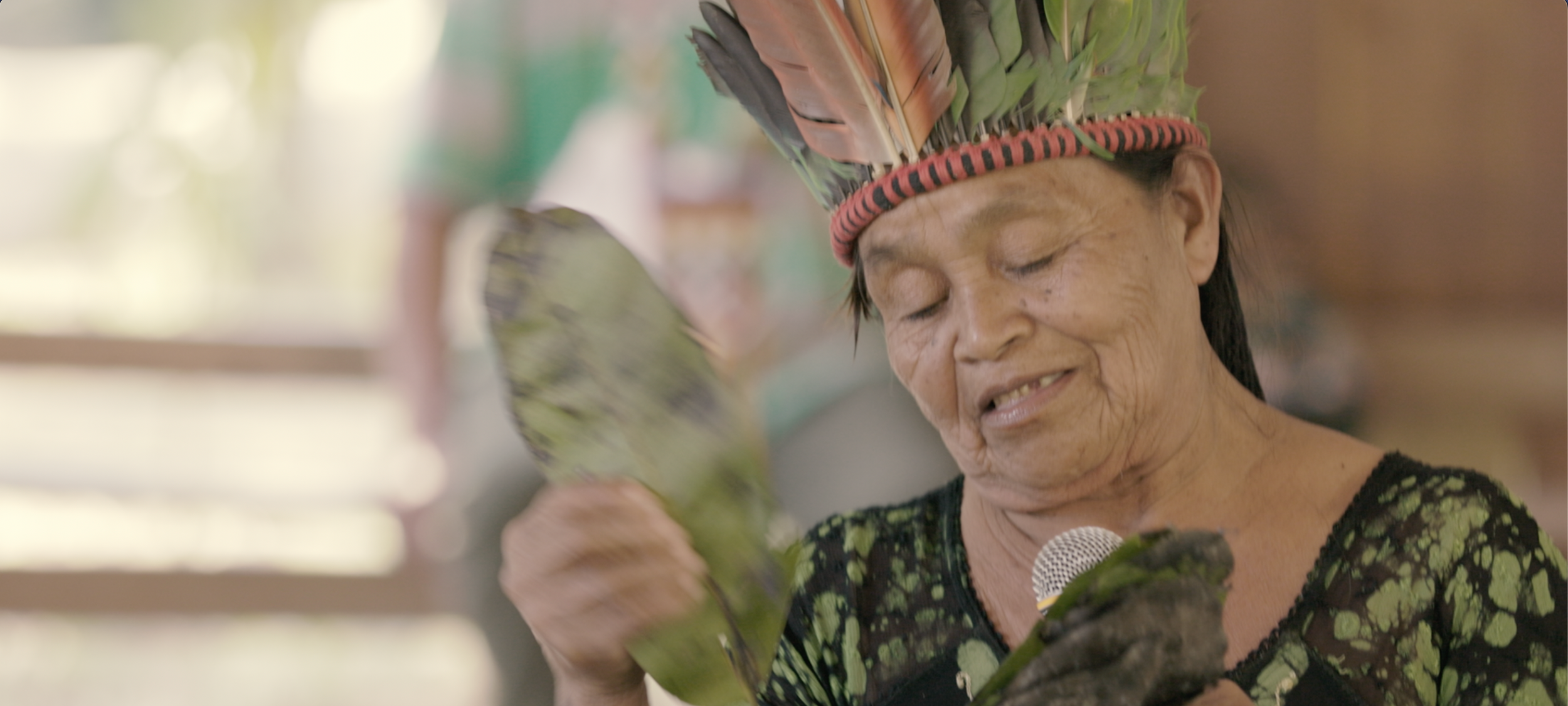
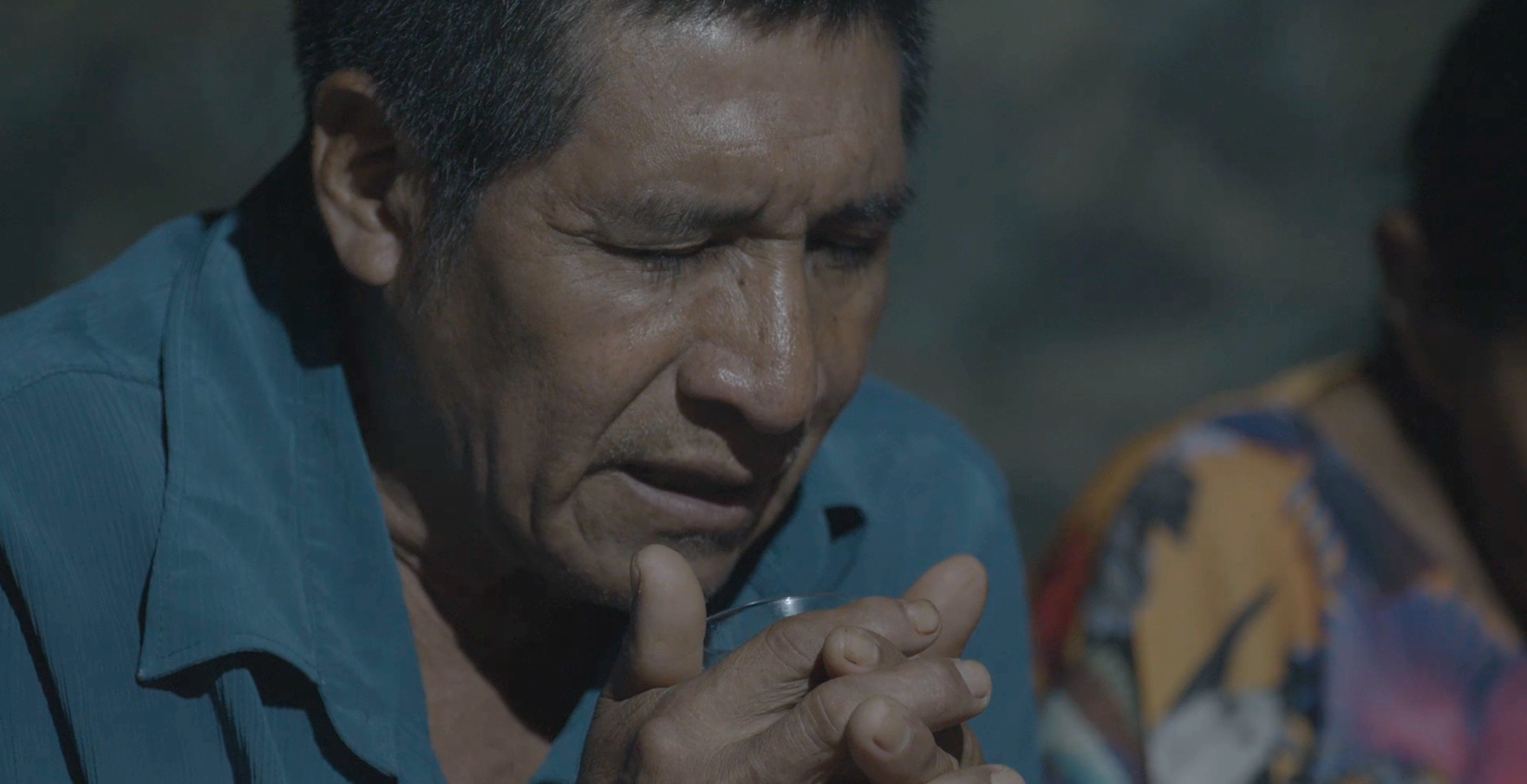
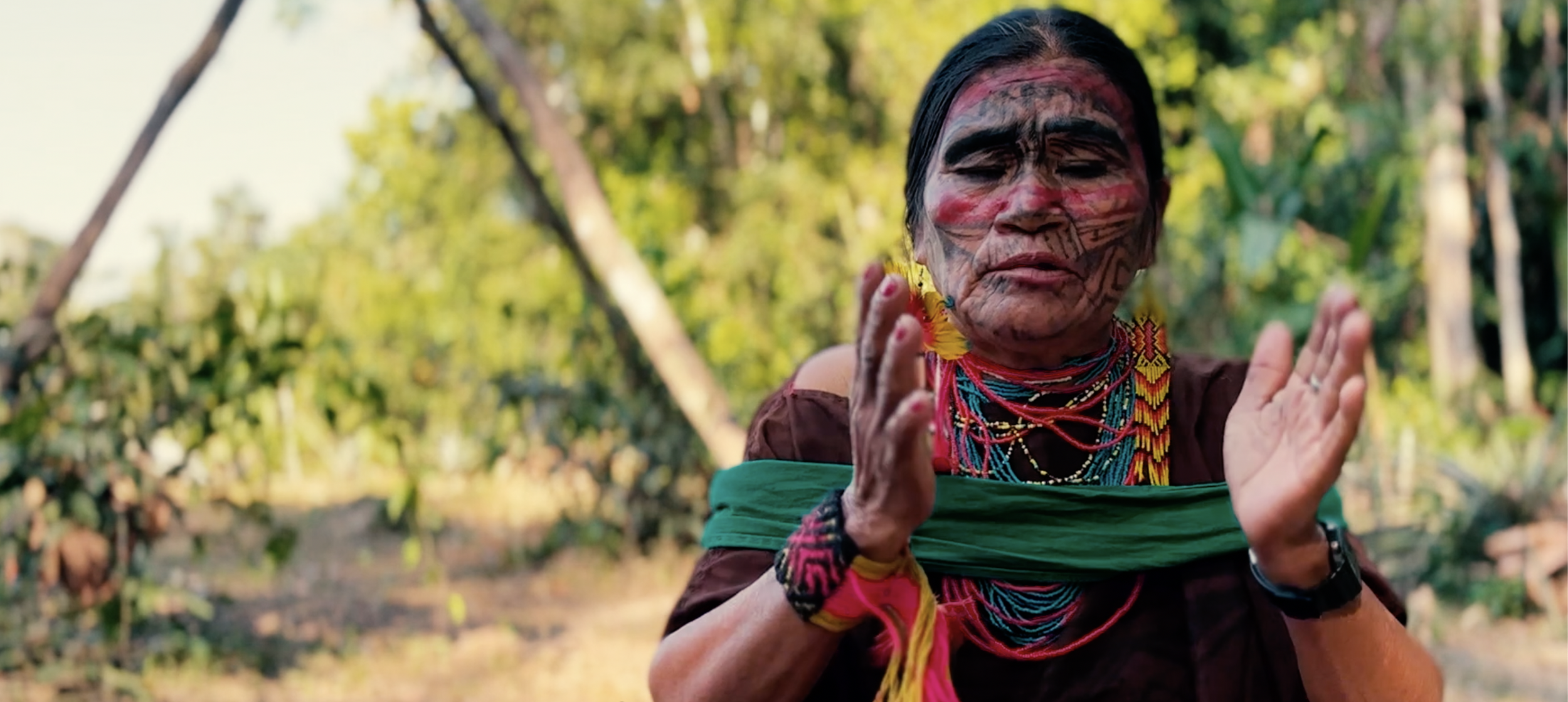
Brazil still lacks an official, Indigenous-governed repository dedicated to safeguarding Indigenous medicines and the relational knowledge through which they are sustained. The Future of Earth responds to this urgency by recording audiovisual interviews with elders, healers, midwives, shamans, and other knowledge holders, with their free, prior and informed consent. During Troca de Saberes, representatives of more than 24 Indigenous peoples shared knowledge of medicines used within their communities to care for people affected by cancer, epilepsy, and other serious conditions. The archive will help ensure that this knowledge can be transmitted to future generations without being removed from its cultural, territorial, spiritual, and more-than-human relationships.
Rather than extracting or making knowledge publicly available without restriction, the initiative will establish Indigenous-led protocols governing what may be recorded, who may access it, and how it may be used. In this way, the archive will preserve the voices and teachings of elders while protecting sensitive knowledge from appropriation and affirming its importance for Indigenous continuity, health, science, and public policy.
During the 1st Troca de Saberes Ancestrais Gathering, it became clear that there is an urgent need to support and strengthen the traditional practices and ancestral knowledge of Indigenous peoples. The leaders present emphasized the importance of creating structures that ensure the continuity of these exchanges and the implementation of sustainable practices within communities.
From this listening process, the projects for 2027 were born, aiming to respond to these needs and promote a future in which Indigenous culture, medicines and knowledge are recognized, respected and valued in their full dignity.
3. The 2nd Ancestral Knowledge Sharing Gathering