Institute Runyn Pupykary Yawanawá
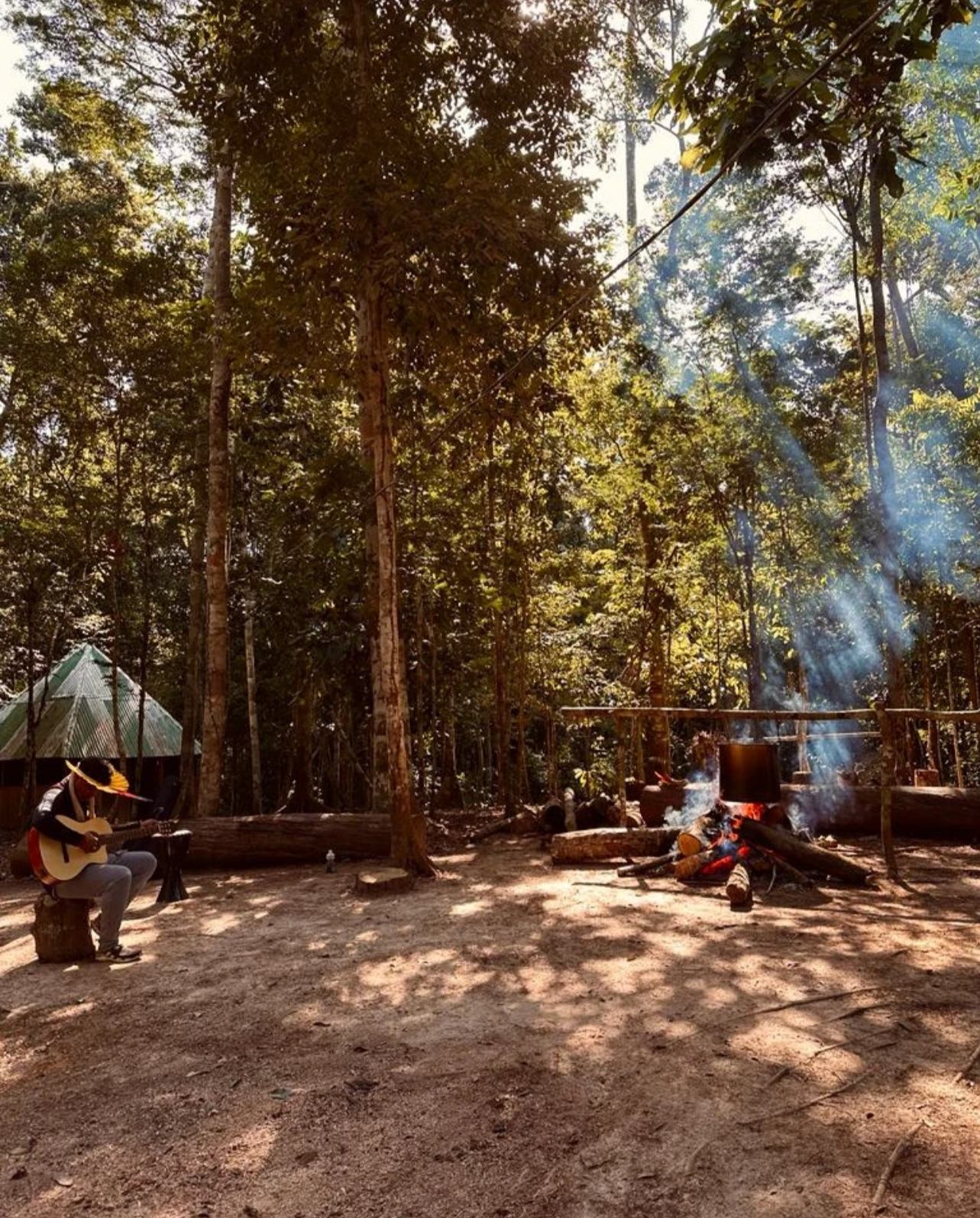
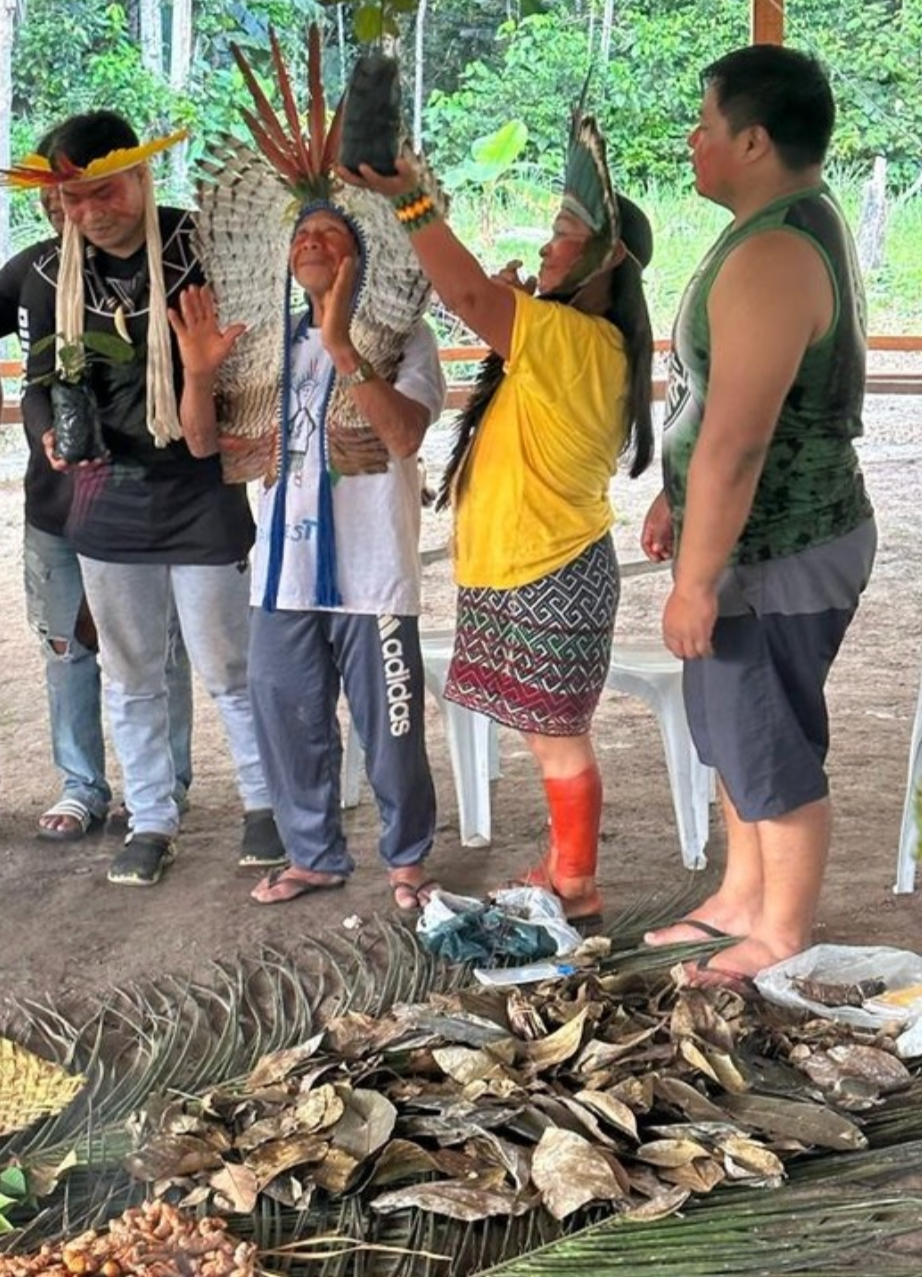
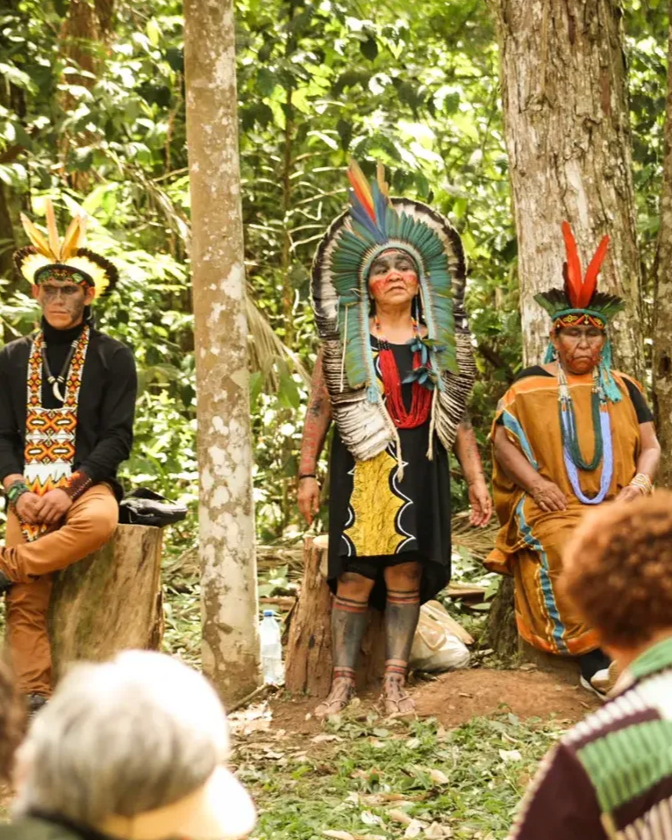
The Institute Runyn Pupykary Yawanawá (IRPY) is a non-profit Indigenous-led civil association founded through the collaboration of the Apurinã and Yawanawá peoples. Established in honor of Runymá, a young visionary of both peoples, the Institute is led by Leticia Yawanawá and Antonio Apurinã and is dedicated to strengthening Indigenous wellbeing, self-determination, and the relationships that sustain life.
At the heart of IRPY’s mission is the leadership of Indigenous women and the recognition that Indigenous territories are living communities of relationships among humans and more-than-human beings. Guided by ancestral wisdom—the knowledge, practices, relationships, and ways of being carried across generations and through relations with our ancestors and the living world—the Institute works to protect biocultural heritage, Indigenous and more-than-human rights, ancestral knowledge, traditional medicines, spiritual practices, and relational ways of being. Particular emphasis is placed on strengthening women as knowledge holders, healers, caregivers, leaders, and defenders of their peoples and territories, while creating opportunities for younger generations to learn, participate, and carry these relationships forward.
Through Indigenous-led ecological initiatives, cultural strengthening, and sustainable livelihoods, IRPY seeks to nurture reciprocity between human beings, forests, waters, plants, animals, spiritual beings, and ancestral territories. Its work recognizes that safeguarding Indigenous futures means protecting ancestral intelligence and caring for the wider community of life upon which those futures depend.

Meet the founders
Founder:
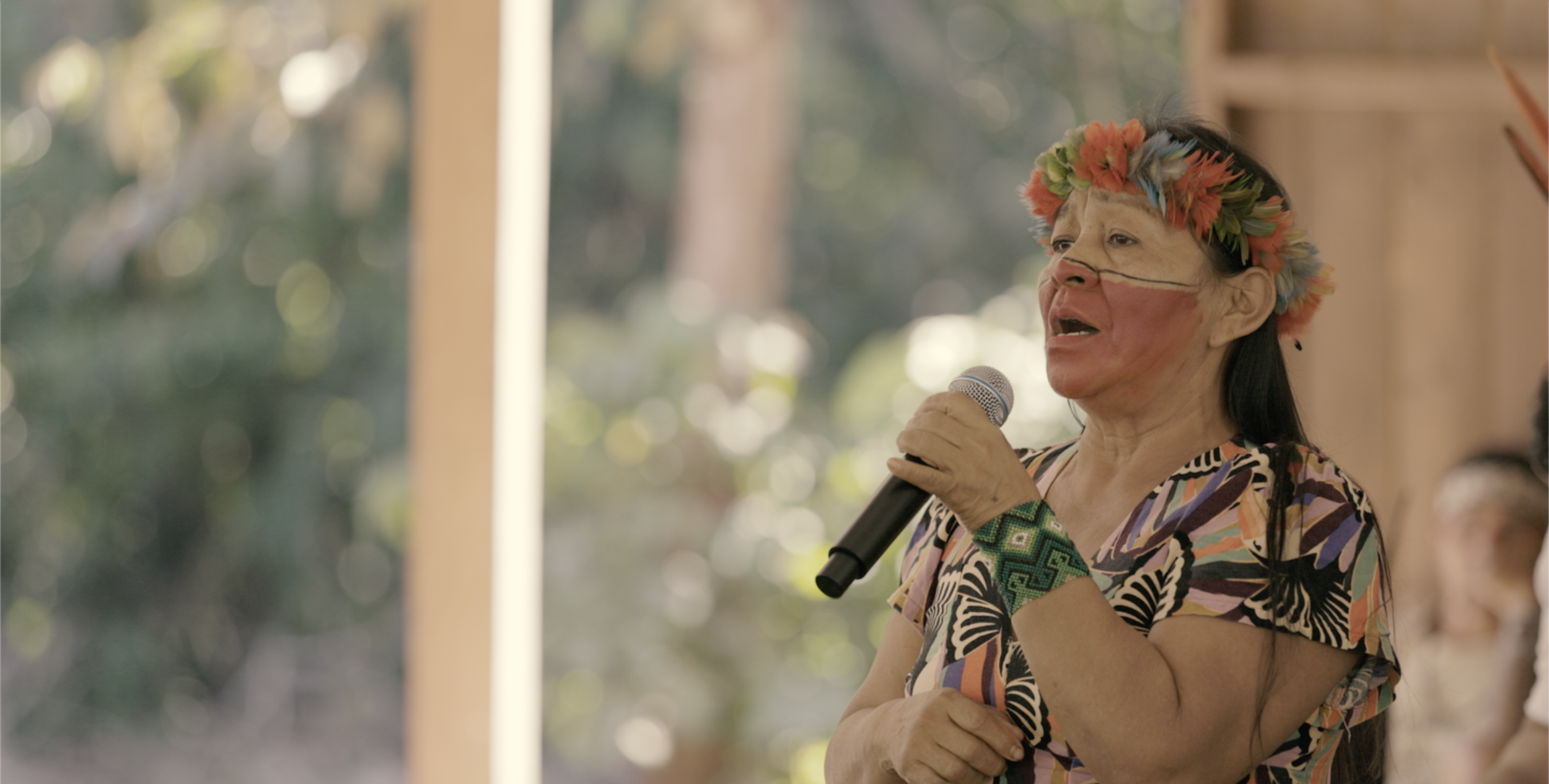
Leticia (Vesku) Yawanawá
Vesku Yawanawá is an Indigenous leader dedicated to strengthening and ensuring the continuity of her people’s ancestral knowledge, medicines, and culture, with particular attention to the role of women as guardians and transmitters of these forms of knowledge. She currently lives in Camicuã village, in Apurinã territory, where she carries out her work alongside the community.
Since childhood, Vesku has learned from the elders and, over the course of her journey, has become an apprentice to midwives, healers, and other women who hold traditional knowledge. She is also a guardian of Yawanawá songs, stories, healing practices, and ancestral knowledge, helping to ensure that these traditions remain alive and are passed on to future generations.
At her home, Vesku is creating a space dedicated to the cultivation and conservation of medicinal plants, as well as a seed bank, thereby strengthening the continuity of Indigenous medicines, agrobiodiversity, and the knowledge associated with them.
Co-Founder:
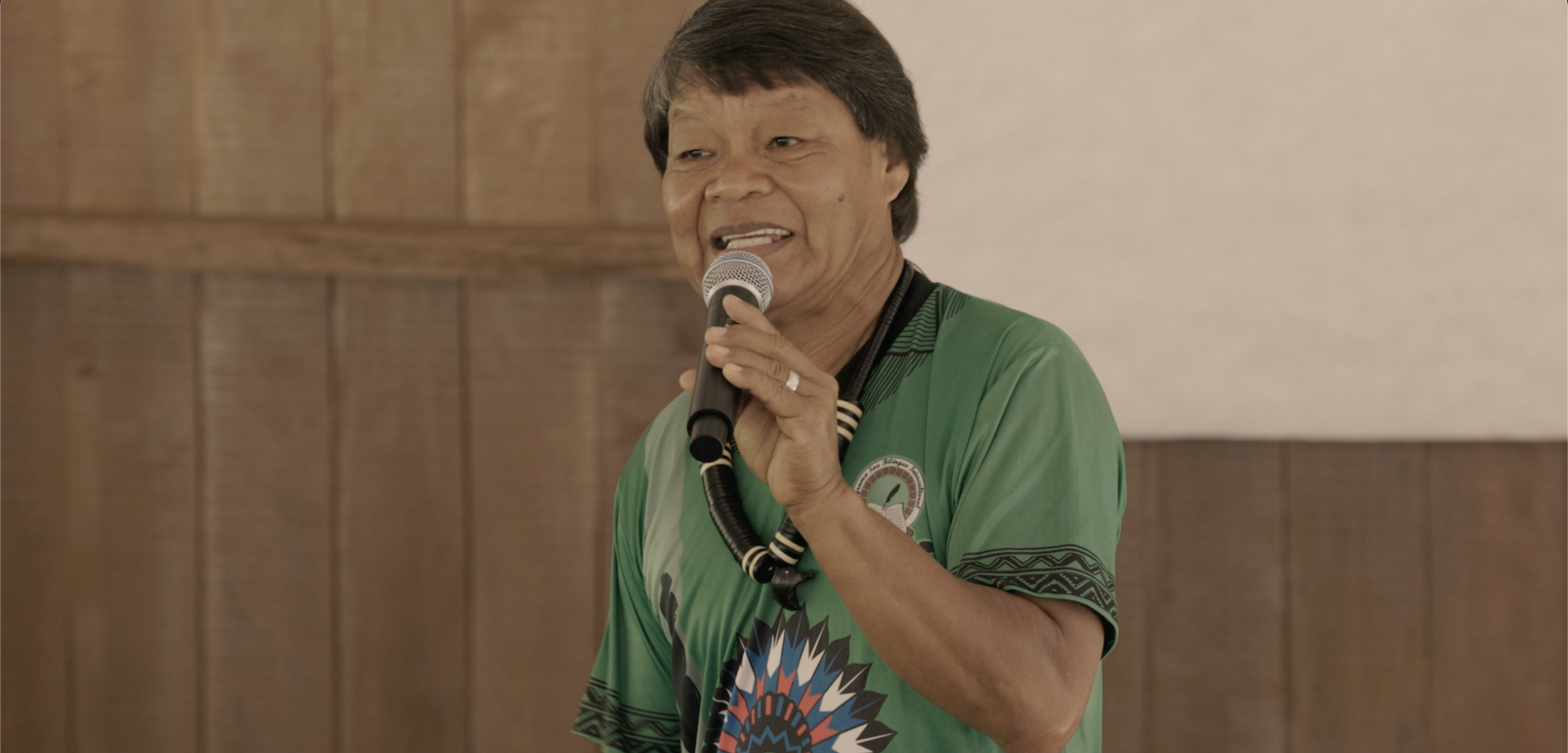
Antonio Apurinã
Antonio Apurinã is an important Indigenous leader from the Brazilian Amazon whose life and work have been dedicated to defending Indigenous peoples, their territories, and the forest. He was one of the founders of the Alliance of Forest Peoples (Aliança dos Povos da Floresta), one of the pioneering movements in Brazil to bring together Indigenous peoples and other forest communities in a shared struggle for territorial rights, social justice, and the protection of the Amazon.
Throughout his career, Antonio has also played an important role in advancing Indigenous rights within Brazilian public institutions. He served as Director of Assistance at FUNAI (Brazil’s National Foundation for Indigenous Peoples) and was nominated by COIAB (Coordination of Indigenous Organizations of the Brazilian Amazon) for the presidency of FUNAI. He also served as an alternate senator to Marina Silva during her term representing the state of Acre, bringing decades of experience in defending Indigenous peoples and the forest into the political sphere.
Across these different roles, Antonio has helped build bridges between Indigenous peoples, social movements, and public institutions. His trajectory is part of a generation of leaders who helped place the inseparable relationship between Indigenous rights, the protection of territories, and the future of the Amazon at the heart of Brazil’s environmental and political agenda.
Some of the participants for
Troca de Saberes 2024
-
Watatakalu
People: Yawalapiti
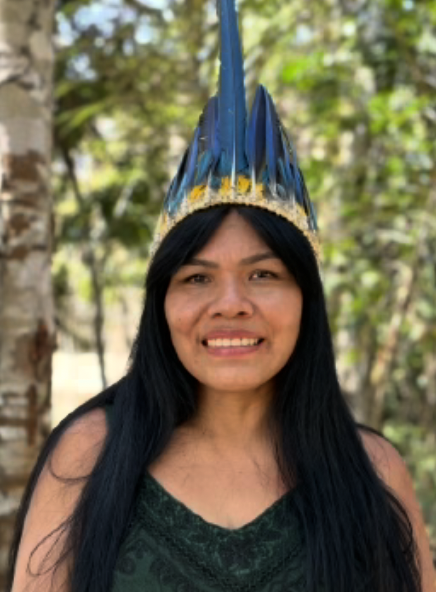
-
People: Yaminawa
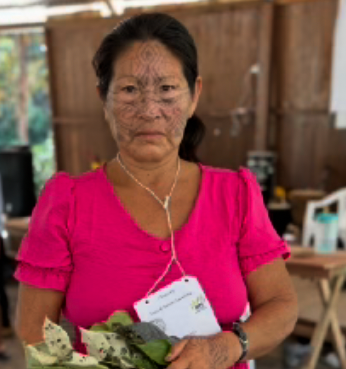
-
Francisco
People: Shanenawa
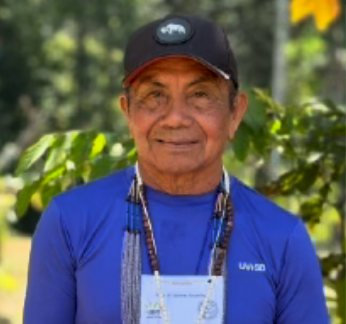
-
Jor
People: Kaingang
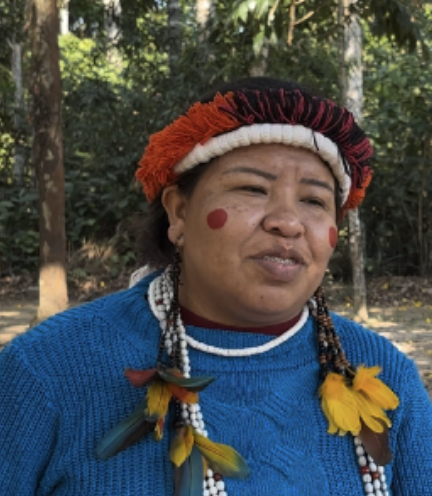
-
Ariena
People: Krahô
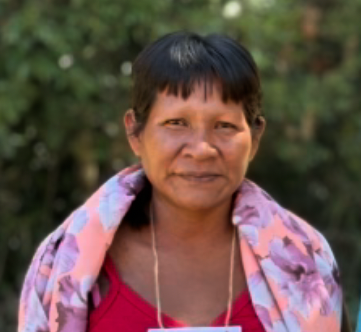
-
Anita
People: Huni Kuin
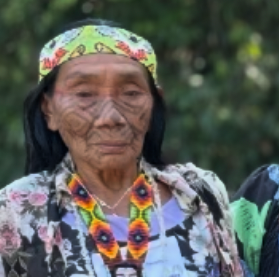
-
Cizino
People: Karitiano
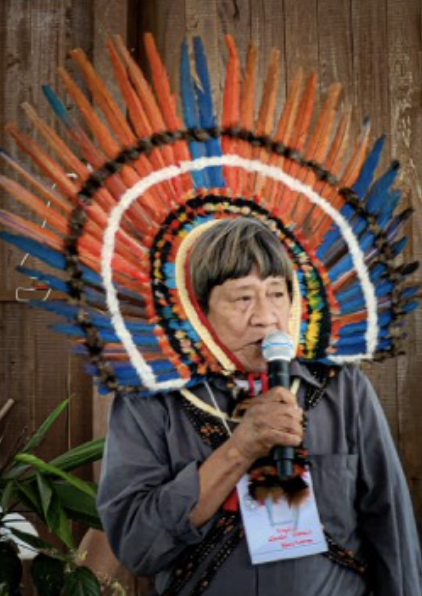
-
José Pinto
People: Krahô
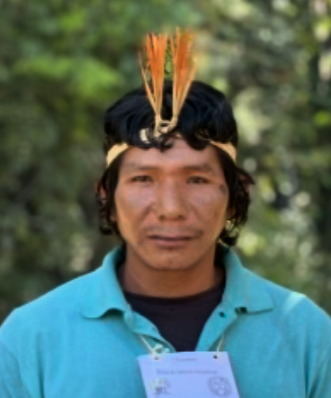
-
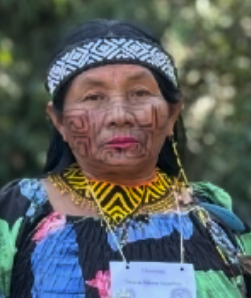
Maria Estefania
People: Huni Kuin
-
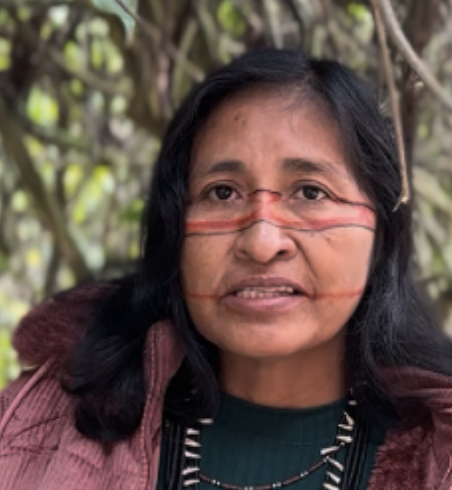
Maria Amelia
People: Marubo
-
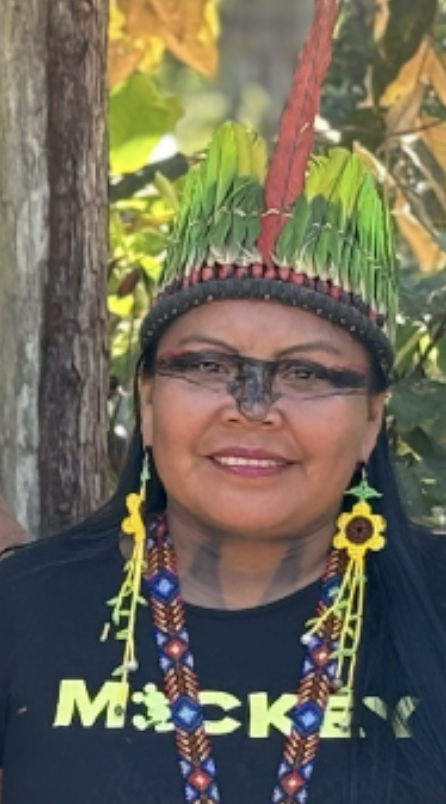
Silvana
People: Shanenawá
-
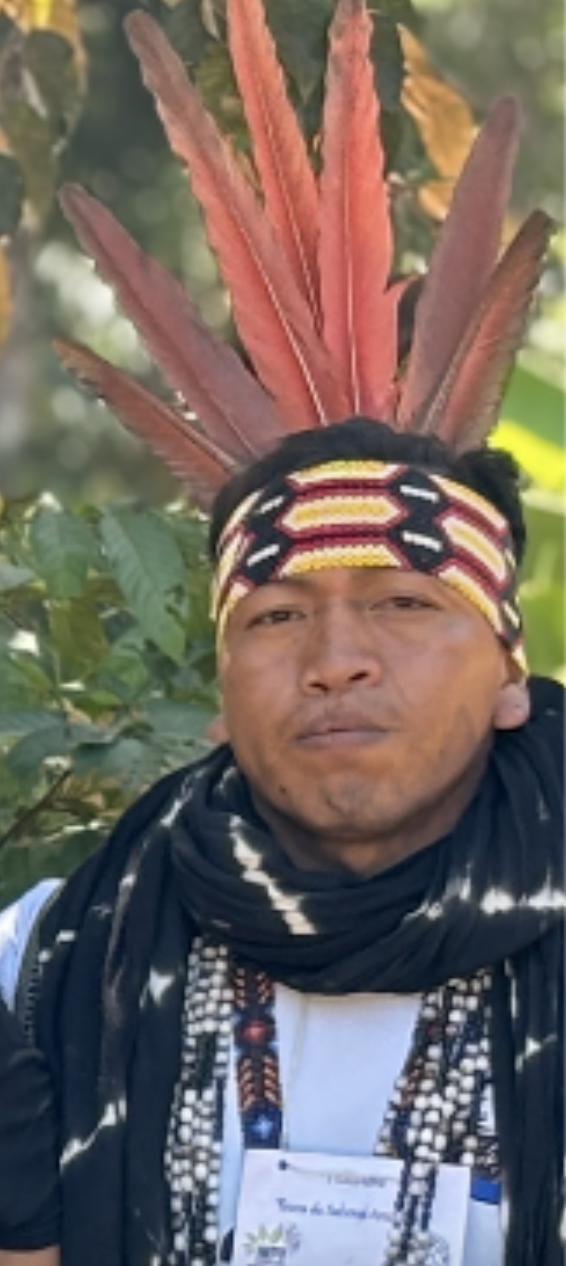
Sergio
People: Shanenawá
-
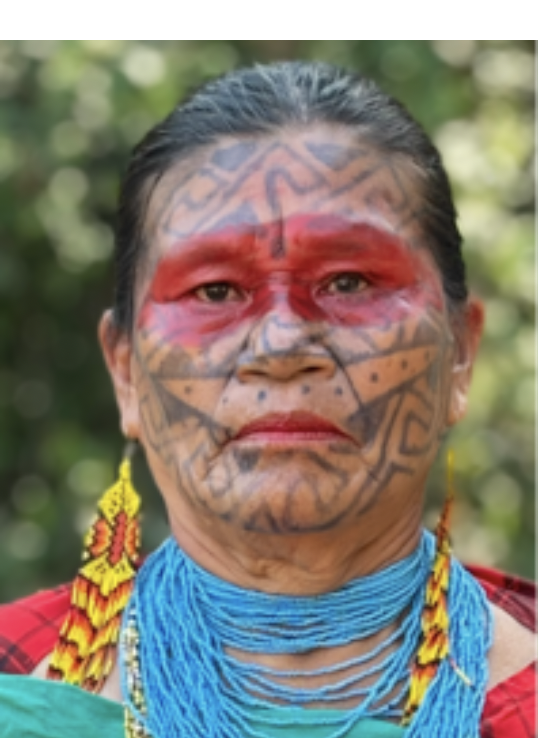
Diana Kampa
People: Ashaninka
-
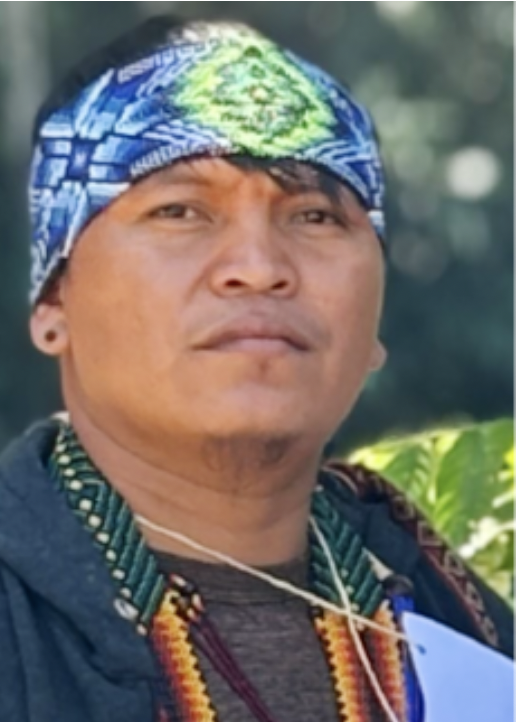
Arnaldo
People: Shanenawá
-
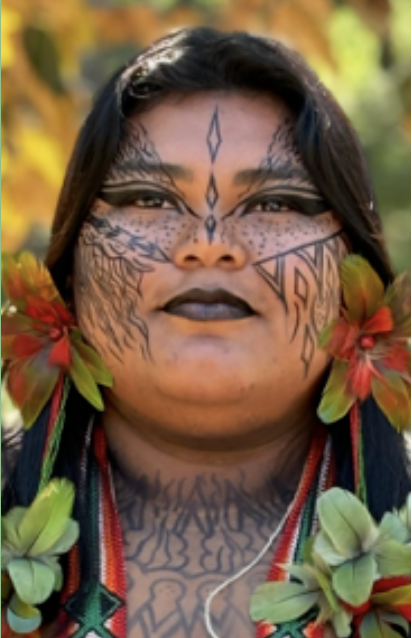
Cibele
People: Shanenawá
Our Supporters