
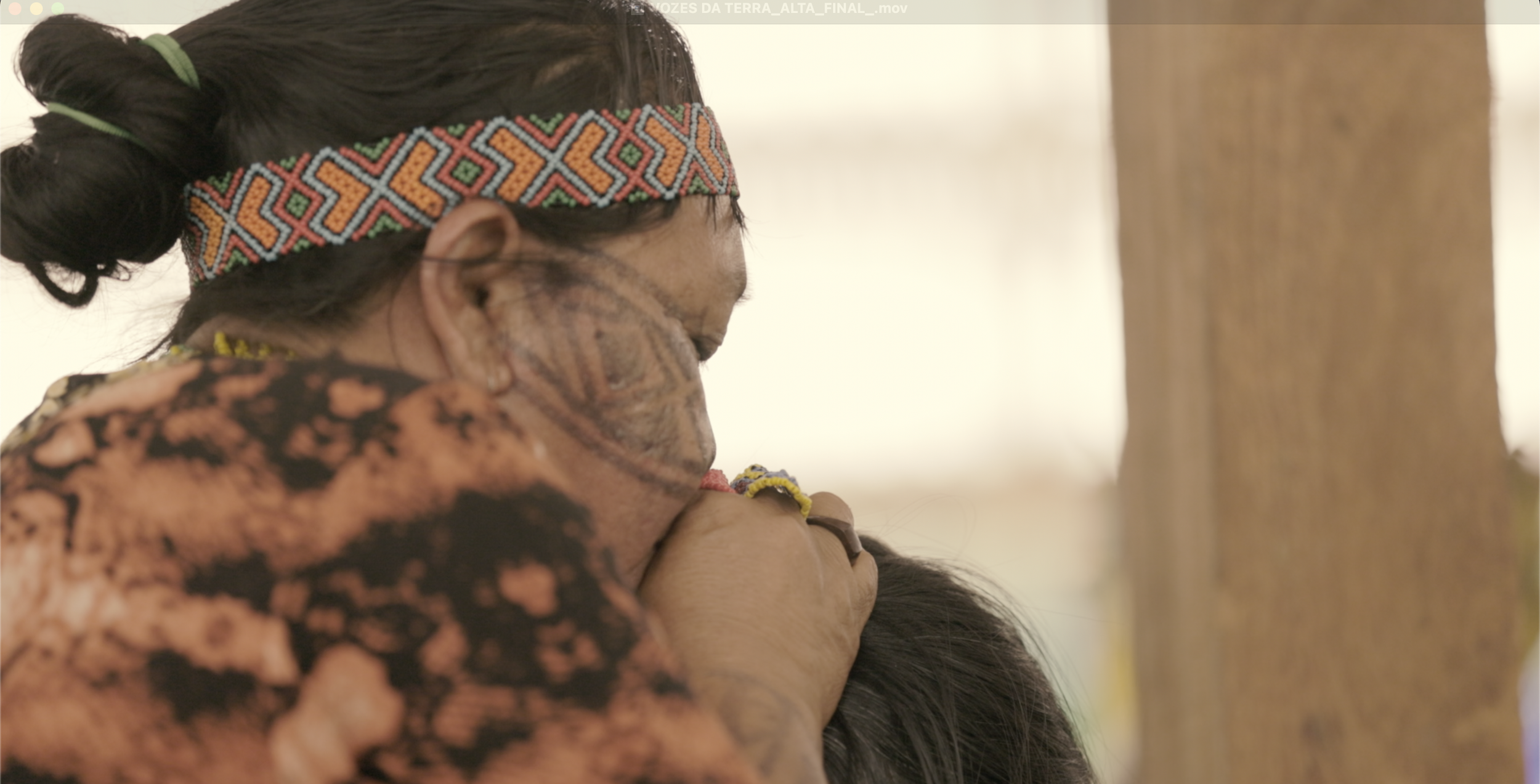
Women Guardians of Life: Indigenous Midwives, Medicines and Ancestral Knowledge for Collective Health
ABOUT
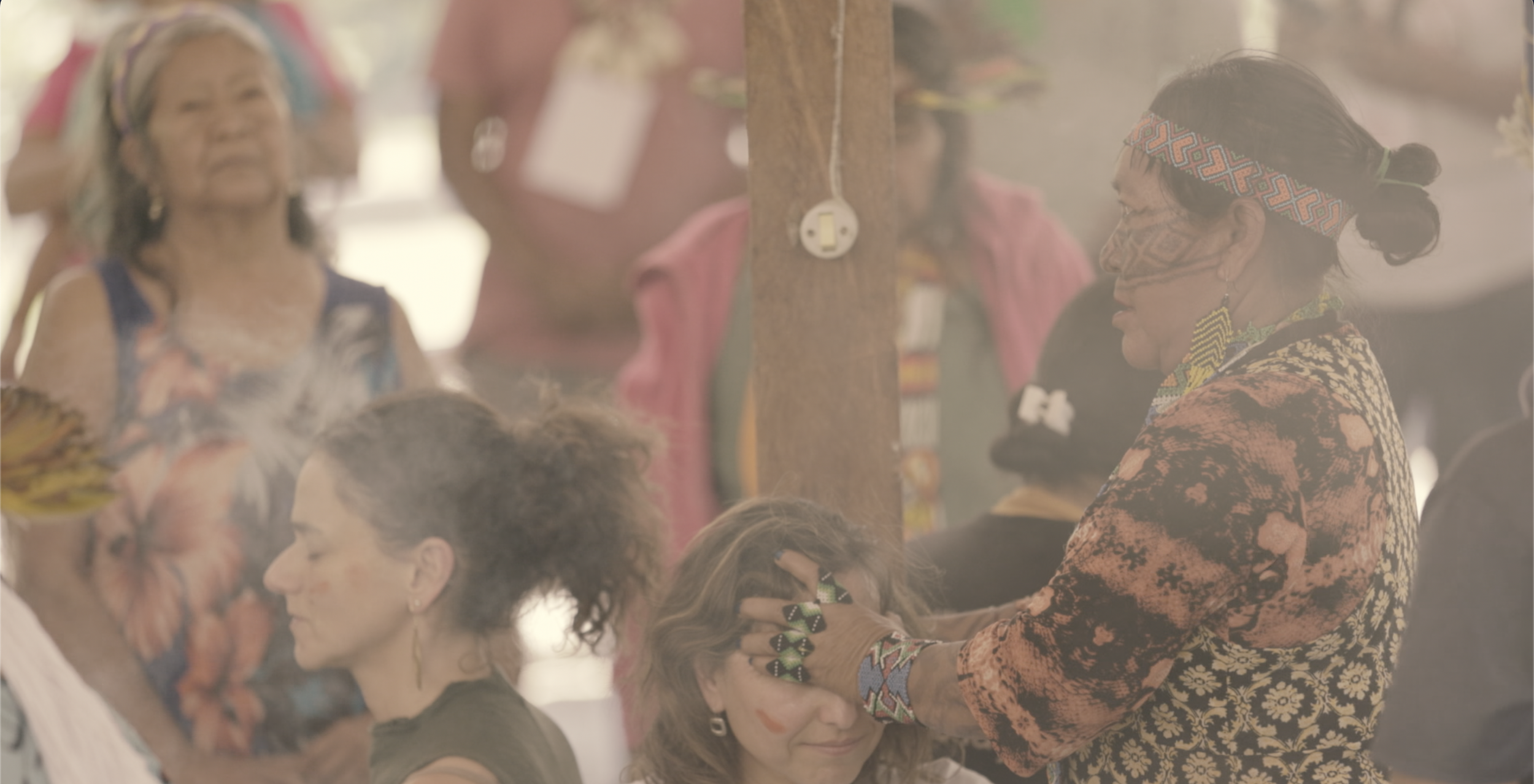
The next Troca de Saberes will host the 1st National Midwives Gathering in Brazil
The 1st National Midwives Gathering is an initiative bringing together Indigenous women healers, midwives, pajés, curandeiras, benzedeiras, raizeiras, young apprentices and leaders with the aim of strengthening Indigenous women’s leadership, knowledge transmission and political participation in the safeguarding of traditional medicines, midwifery and systems of collective health.

THE PROBLEM
Indigenous women’s knowledge in midwifery, traditional medicine, healing, spirituality and collective care remains largely invisible within formal health systems. Many midwives and women healers continue to serve their communities without institutional recognition, logistical support, protection, or mechanisms to transmit their knowledge to younger generations.
This lack of recognition creates several risks: the weakening of Indigenous women’s authority; loss of ancestral knowledge; unsafe or culturally inappropriate treatment of Indigenous women within health services; appropriation and commercialization of medicinal knowledge without consent; and reduced participation of Indigenous women in decisions affecting their bodies, territories and communities.
Troca de Saberes also addresses the risk that public policies on traditional medicine may be designed without the full participation of Indigenous women, especially midwives and women guardians of medicines. Their knowledge is not only technical, but spiritual, territorial, relational and intergenerational. Without their leadership, policies may fail to protect the living systems of care that sustain Indigenous peoples.
The initiative responds by creating spaces for Indigenous women to meet, exchange, document priorities, strengthen collective care, and formulate recommendations for public policies on Indigenous health, midwifery and traditional medicines.
Core Aims
-

Strengthen Indigenous midwives as guardians of life, birth, women’s health, memory and community health.
-
Promote intergenerational exchange among Indigenous women healers, midwives, pajés, curandeiras, benzedeiras, raizeiras, young apprentices and leaders.
-
Produce women-led recommendations for public policies and biocultural safeguards related to Indigenous traditional medicines, midwifery and collective care.
STRATEGIES
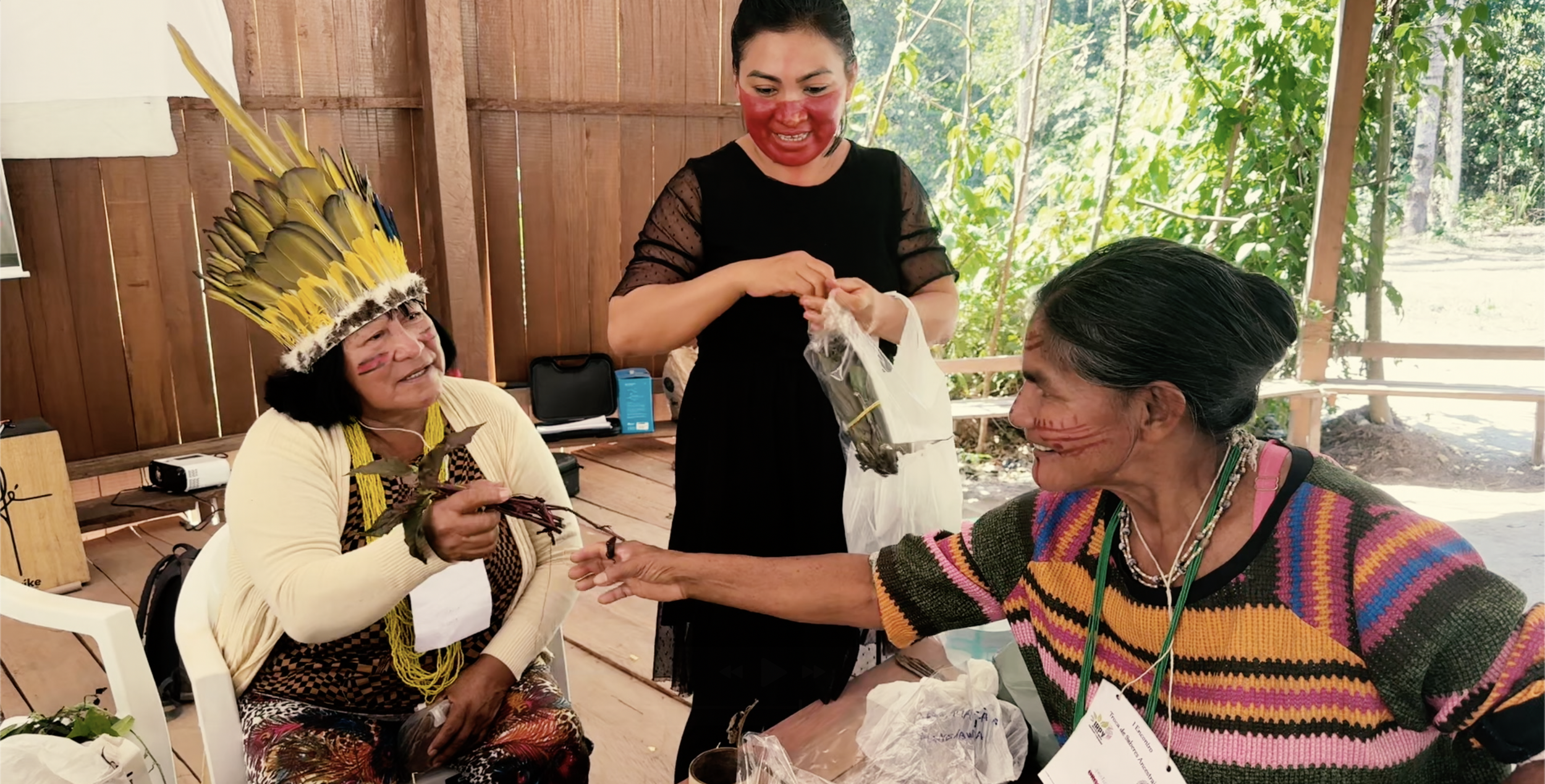
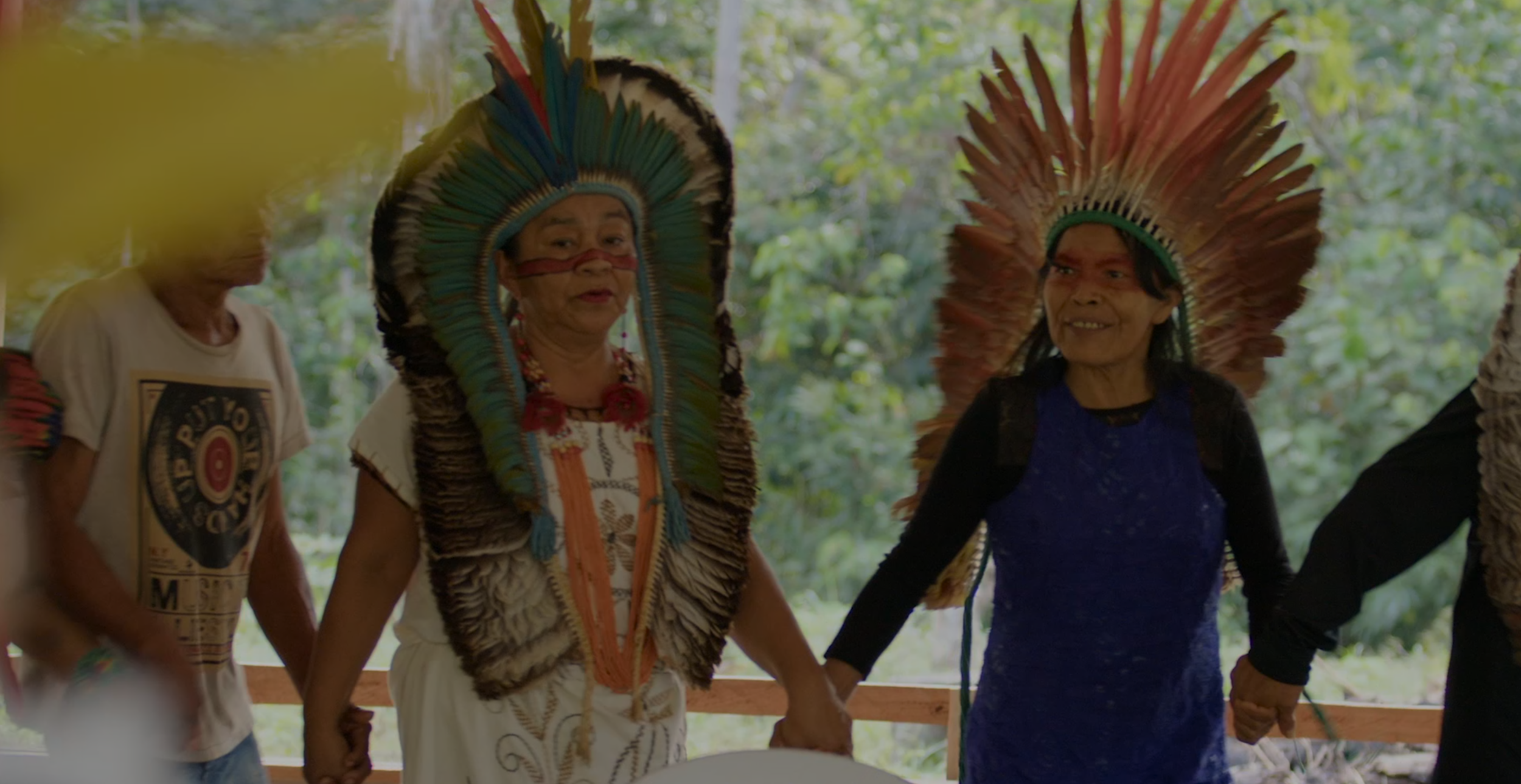
The Midwives Gathering will use Indigenous-led methodologies based on circles of listening, storytelling, oral history, songs, prayers, memory, collective care, spiritual protection and intergenerational exchange. It will centre Indigenous women as knowledge holders, decision-makers and political actors.
Strategy 1
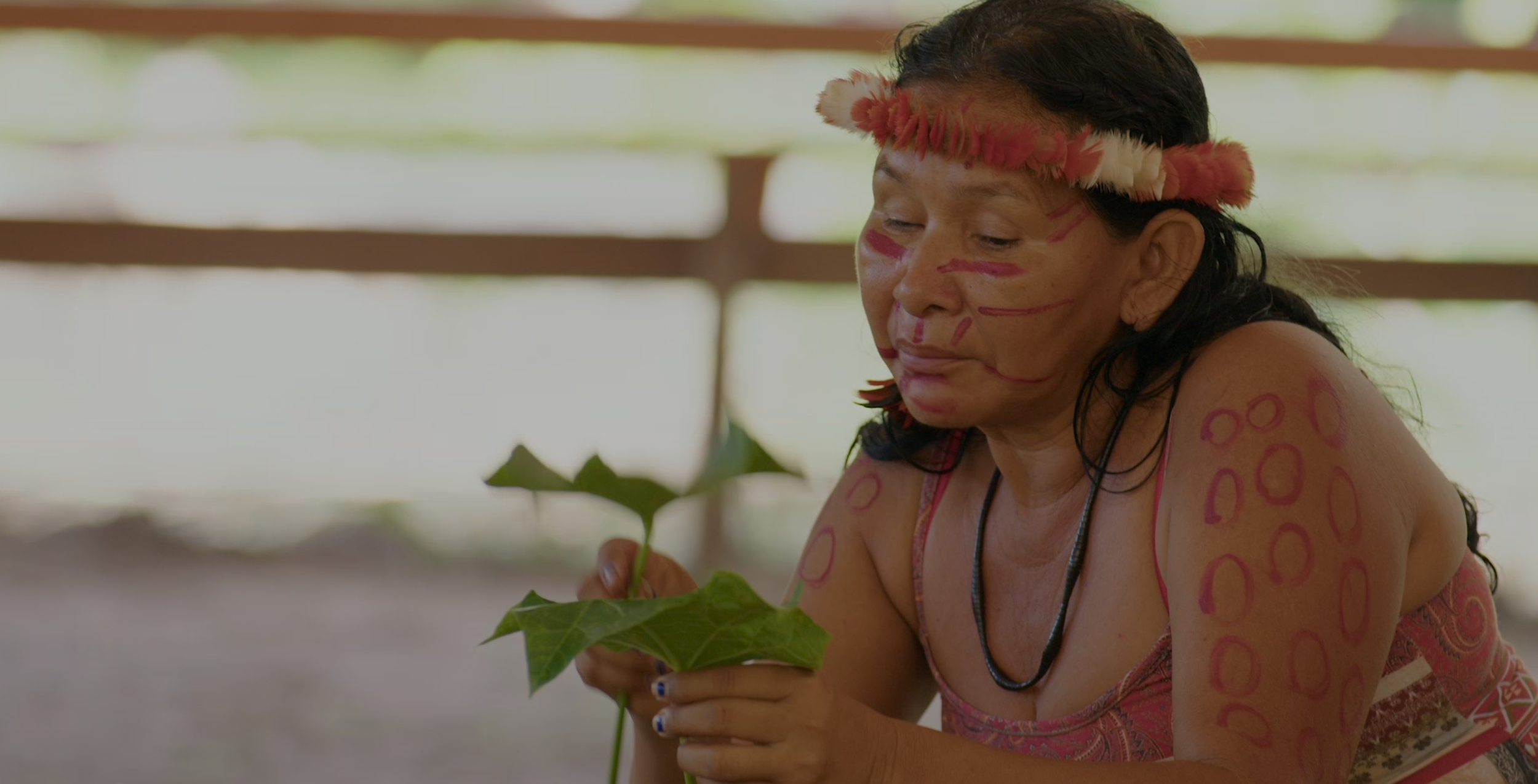
To organize the 1st National Indigenous Midwives Gathering, creating a safe space for midwives from different territories to share practices, challenges and recommendations. This gathering will strengthen recognition of midwives as guardians of life, birth, memory and community health.
Strategy 2
To strengthen women’s leadership within the 2nd Ancestral Knowledge Exchange Gathering, bringing together Indigenous women healers, curandeiras, benzedeiras, raizeiras, pajés, young apprentices and leaders to exchange knowledge on medicines, healing, spirituality and protection of traditional knowledge.
Strategy 3
Advocacy: To systematize the voices and recommendations of Indigenous women into a final document to inform public policies on Indigenous health, traditional medicines, midwifery and biocultural safeguarding.
Strategy 4
Continuity: To create a network of women to be the basis for future knowledge exchanges, intergenerational transmission and the development of an Indigenous biocultural protocol led by communities.
Event Structure
-
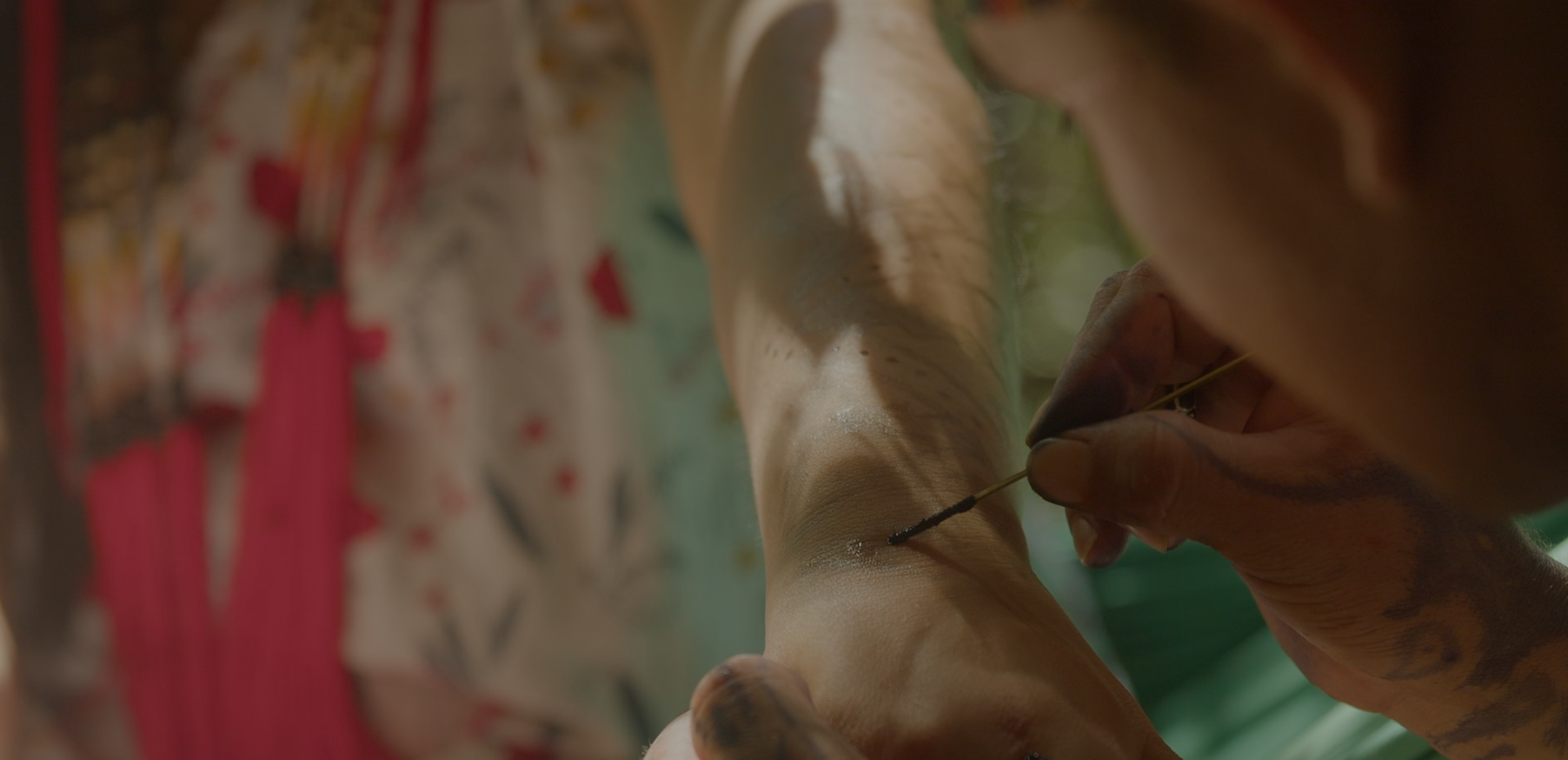
Traditional Indigenous childbirth and healing practices.
- Use of medicinal plants (oils, barks, leaves and roots).
- Traditional techniques applicable to conventional medicine.
- Accounts of survival and experiences of Indigenous women.
- Exchange of experiences among midwives, doulas and health professionals. -
Talks and conversation circles with midwives and healers.
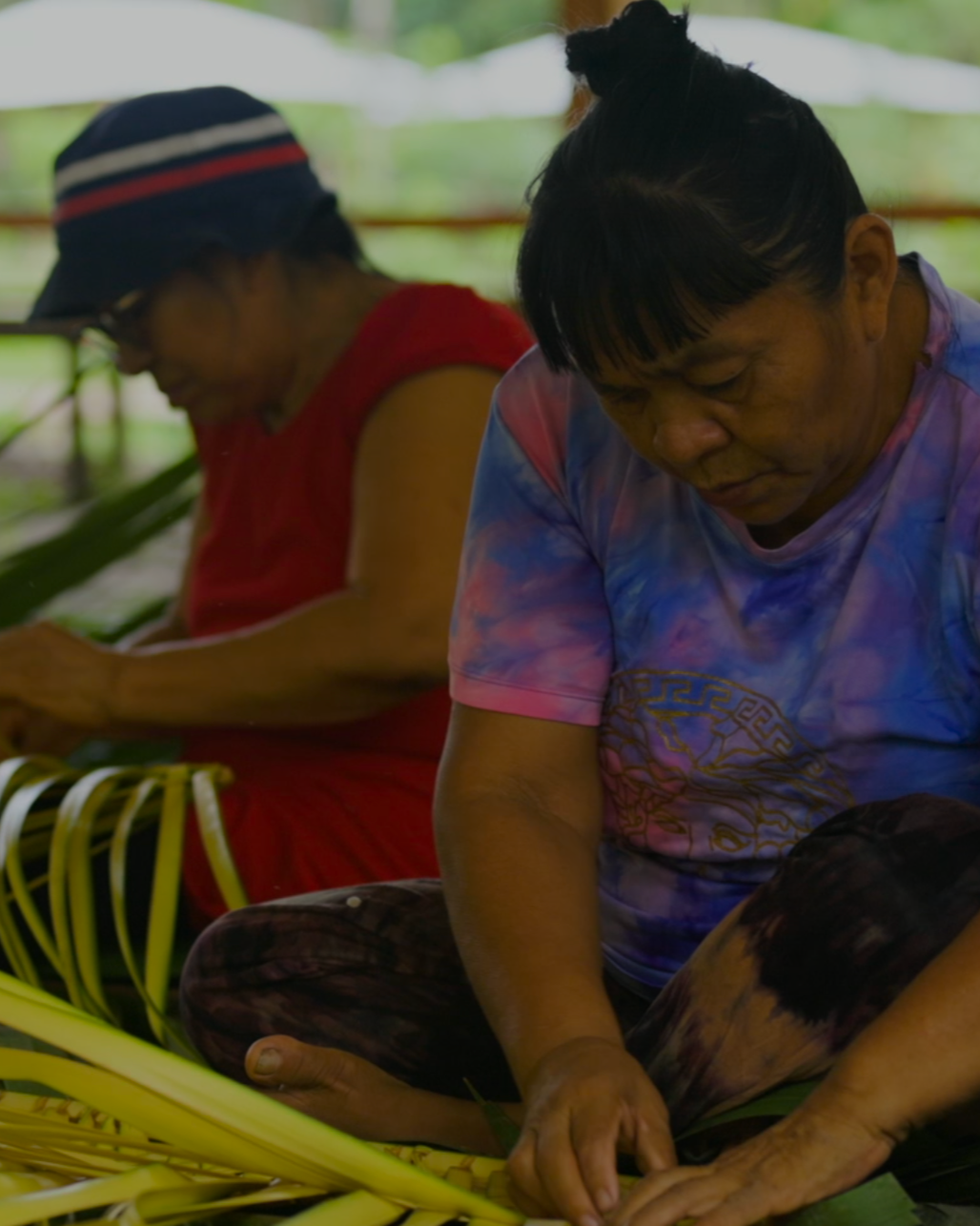
- Hands-on workshops on childbirth techniques and the preparation of medicinal plants.
- Audiovisual recording and production of educational material for later distribution.
- Recognition and awards ceremony for the midwives. -
Midwives' needs:
- Materials for safe childbirth practice and the use of medicinal plants.
- Transportation and lodging during the gathering.
- Financial support for the recognition and appreciation of their work.Resources needed:
- Lodging and food arrangements for 180–200 people.
- Land and river transportation to travel to the village.
- Teaching materials, medicinal plant kits and equipment for hands-on workshops.
- Audiovisual recording (filming, photography and production of educational material).
Intended Outcomes
-
Indigenous midwives from different territories exchange knowledge, identify shared challenges and formulate priorities for recognition and support.
-
Indigenous women knowledge holders and young apprentices strengthen intergenerational transmission of traditional medicines, healing practices, songs, prayers, stories and spiritual care.
-
A final women-led document with recommendations is produced and shared with the National Government, Indigenous organizations, DSEIs/SESAI and relevant policy spaces.
Help fund the 1st National Indigenous Women’s Gathering.
By donating to this initiative you are:
- Supporting the holistic health, well-being and care of Indigenous women
- Strengthening their political participation and advocacy
- Helping them secure rights to medicines, land, territory and knowledge
- Contributing climate change resilience and biodiversity conservation